
© 2026 | Dr. Arvind J. Petrie

- +1 (253) 761-5422
- 1550 S Union Ave #150
- Tacoma, WA 98405

© 2026 Dr. Arvind J. Petrie
All rights reserved.


Frequently Asked Questions About Crowded Teeth
Crowded teeth occur when there is not enough space in your mouth for all your teeth to fit properly. This causes teeth to overlap, twist, or push in front of or behind one another. It is one of the most common dental concerns seen in both children and adults.
Teeth crowding can happen for several reasons, including:
• Genetics – A small jaw inherited from parents
• arly loss of baby teeth – This can cause surrounding teeth to shift before adult teeth come in
• Extra teeth – Having more teeth than the jaw can accommodate
• Habits in childhood – Such as prolonged thumb sucking or pacifier use
Late eruption of wisdom teeth – Which can push other teeth out of alignment
While crowded teeth do not always cause immediate pain, leaving them untreated can lead to problems over time. These include difficulty cleaning between teeth, a higher risk of tooth decay and gum disease, uneven wear on teeth, jaw discomfort, and reduced confidence in your smile. It is recommended to consult a dentist to understand what is best for your specific situation.
There are several treatment options depending on the severity of the crowding:
• Braces (traditional metal or ceramic) – Gradually shift teeth into the correct position over time
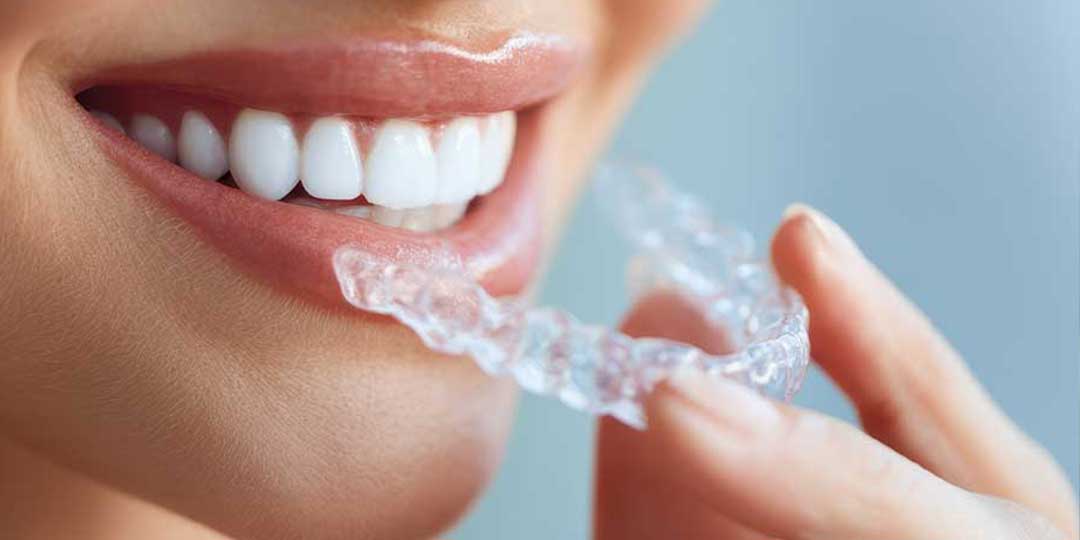
• Clear aligners – A series of removable, transparent trays that gently move teeth
• Retainers – Used for mild cases or after other treatments to maintain tooth position
• Tooth extraction – Sometimes removing one or more teeth creates space needed for proper alignment
• Palate expanders – Often used in children to widen the jaw and create more room
Your dentist or orthodontist will recommend the most suitable option after a thorough examination.
Treatment time varies depending on the severity of the crowding and the method used. Mild cases may take as little as 6 to 12 months, while more complex cases with braces or aligners can take anywhere from 18 months to 3 years. Your dental professional will give you a more accurate timeline after assessing your teeth..
Most people experience some discomfort, especially in the first few days after getting braces fitted or starting a new set of aligners. This is normal and usually feels like a mild soreness or pressure. Over-the-counter pain relief and soft foods can help during this period. The discomfort typically eases within a few days as your mouth adjusts.
Crowded teeth can be treated at almost any age, but early treatment in children (around ages 7 to 10) can sometimes make the process simpler and shorter, as the jaw is still growing. That said, many adults successfully undergo treatment and achieve great results. There is no strict age limit for correcting crowded teeth.
Yes, in most cases a retainer is recommended after completing treatment. Teeth have a natural tendency to shift back toward their original position over time. Wearing a retainer as directed by your dentist helps keep your teeth in their new, corrected position. Some people may need to wear it only at night, while others may need it more regularly at first.
The cost depends on the type of treatment, the severity of your crowding, and your location. Generally:
• Traditional braces can range from a few thousand dollars upward
• Clear aligners may be similarly priced or slightly higher depending on the brand and case complexity
• Simpler treatments like retainers cost considerably less
Many dental practices offer payment plans, and some dental insurance plans cover a portion of orthodontic treatment. It is best to ask for a detailed cost estimate during your consultation.
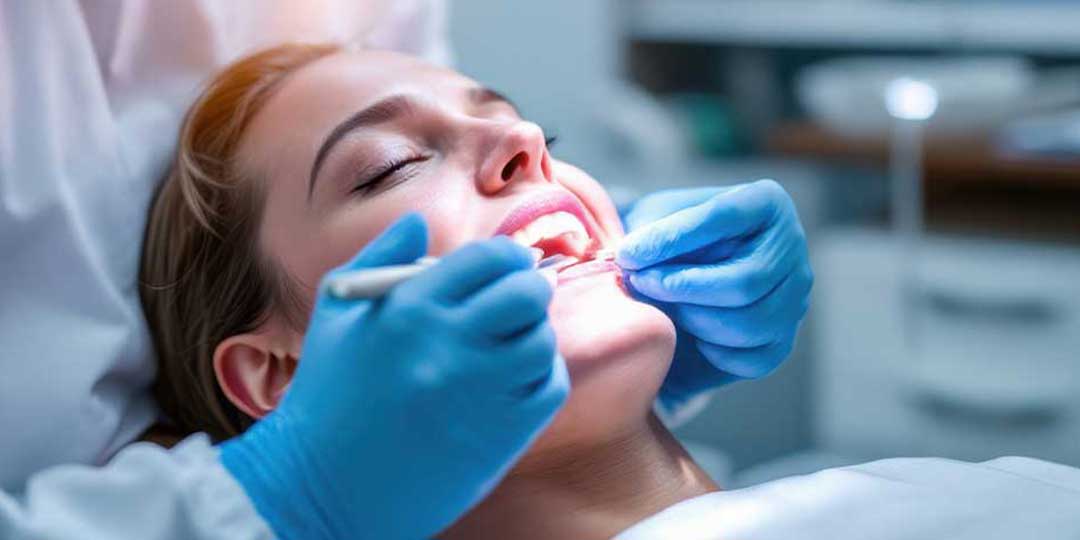
The first step is to book a consultation with a dentist or orthodontist. During this visit, they will examine your teeth, possibly take X-rays or digital scans, and discuss the best treatment options suited to your needs. From there, they will walk you through the process, costs, and expected timeline so you can make a comfortable and informed decision.