
© 2026 | Dr. Arvind J. Petrie

- +1 (253) 761-5422
- 1550 S Union Ave #150
- Tacoma, WA 98405

© 2026 Dr. Arvind J. Petrie
All rights reserved.


Frequently Asked Questions About Underbites
An underbite is a dental condition where your lower teeth sit in front of your upper teeth when you close your mouth. You may notice that your lower jaw sticks out further than your upper jaw, giving your chin a more prominent appearance. If you are unsure, a dentist can confirm this during a routine dental examination.
An underbite can develop due to several reasons, including genetics, childhood habits such as prolonged thumb sucking or pacifier use, and irregular jaw growth. In some cases, an injury to the jaw or losing baby teeth too early can also contribute to the condition.
Not all underbites require immediate treatment, but leaving a significant underbite untreated can lead to difficulties with chewing, speaking, and even breathing. It can also cause jaw pain, uneven wear on teeth, and may affect your overall facial appearance over time. It is best to consult a dentist to understand the severity of your specific case.
There are several treatment options depending on the severity of the underbite and the age of the patient. Common options include:
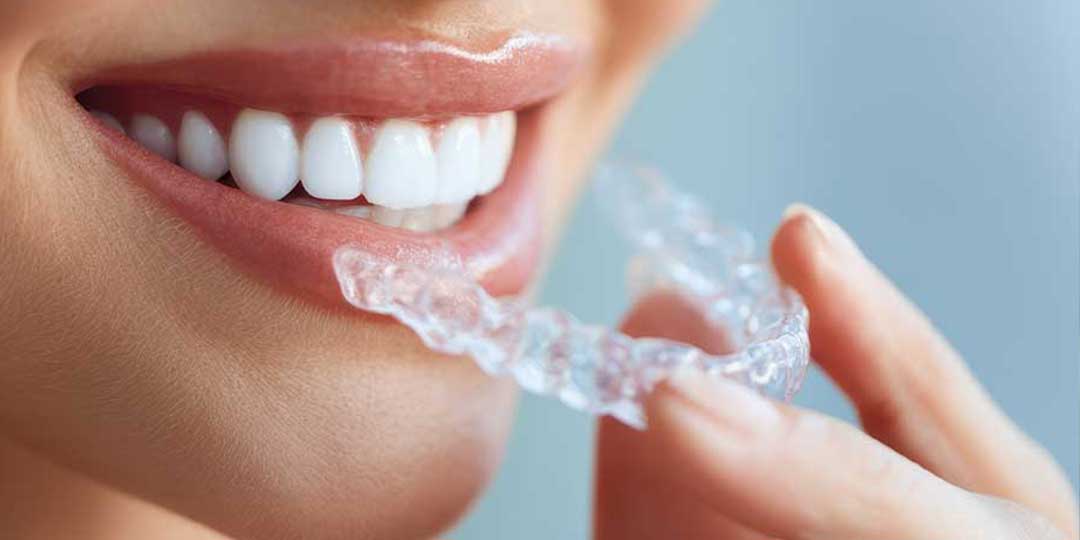
• Braces or clear aligners – to gradually shift teeth into the correct position
• A palate expander – a device that widens the upper jaw over time
• Reverse pull headgear – a removable device that helps pull the upper jaw forward, usually used in children
• Jaw surgery – recommended for adults with severe underbites that cannot be corrected with braces alone
Your dentist or orthodontist will recommend the most suitable option after a thorough assessment.
Early treatment is generally more effective. Dentists often recommend starting treatment in children between the ages of 7 and 10, when the jaw is still growing and easier to guide. However, adults can also be treated successfully, though the options may differ and treatment may take longer.
The duration of treatment depends on the chosen method and the severity of the underbite. Braces or aligners can take anywhere from 18 months to 3 years. Jaw surgery recovery typically takes several weeks to months. Your dentist or orthodontist will give you a more specific timeline after your initial consultation.
Most underbite treatments cause little to no significant pain. You may feel some discomfort or pressure, particularly after adjustments to braces or aligners. If jaw surgery is required, there will be a recovery period that involves some soreness, but this is managed with appropriate pain relief medication provided by your surgeon.
Coverage depends on your specific dental or health insurance plan. Some plans cover part of orthodontic treatment, especially for children. Jaw surgery may be covered under medical insurance if it is considered medically necessary. It is advisable to contact your insurance provider directly to understand what is included in your plan.
In some cases, there is a chance the underbite may partially return, especially if the underlying jaw growth pattern continues or if retainers are not worn as instructed after treatment. Following your dentist or orthodontist's aftercare instructions carefully, including wearing retainers, greatly reduces this risk.
The first step is to schedule a consultation with a dentist or orthodontist. During this visit, they will examine your teeth and jaw, possibly take X-rays or dental scans, and discuss the treatment options that are right for you. Early evaluation is always recommended, so do not hesitate to book an appointment if you have concerns.