
© 2026 | Dr. Arvind J. Petrie

- +1 (253) 761-5422
- 1550 S Union Ave #150
- Tacoma, WA 98405

© 2026 Dr. Arvind J. Petrie
All rights reserved.


Frequently Asked Questions About Open Bites
Leaving an open bite untreated can lead to a range of problems over time, such as:
• Uneven wear on the back teeth, which can weaken them
• Difficulty chewing and digesting food properly
• Ongoing speech difficulties
• Jaw pain or discomfort
• Changes in facial appearance as the jaw continues to develop
Seeking treatment sooner rather than later can help protect your overall dental health and quality of life.
Coverage depends on your specific dental or orthodontic insurance plan. Some plans cover part of the cost for orthodontic treatments like braces, while surgical procedures may fall under medical insurance. It is best to check directly with your insurance provider to understand what is included in your plan.
An open bite can be treated at any age, but early treatment in children is often easier and more effective. Ideally, treatment should begin during childhood or teenage years when the jaw is still growing. However, adults can also be successfully treated, though the process may take longer or require more involved procedures.
The length of treatment varies depending on the severity of the open bite and the type of treatment used. In general:
• Braces or clear aligner treatment can take anywhere from 1 to 3 years
• Surgery, if needed, may require additional recovery time of several weeks
Your orthodontist will give you a more accurate timeline after evaluating your case.
Yes, many cases of open bite can be treated without surgery, especially when caught early. Braces, clear aligners, and other dental appliances are often effective in correcting mild to moderate open bites. Surgery is usually only considered for severe cases in adults where the jaw structure itself needs correction.
Treatment depends on the cause and severity of the open bite. Common options include:
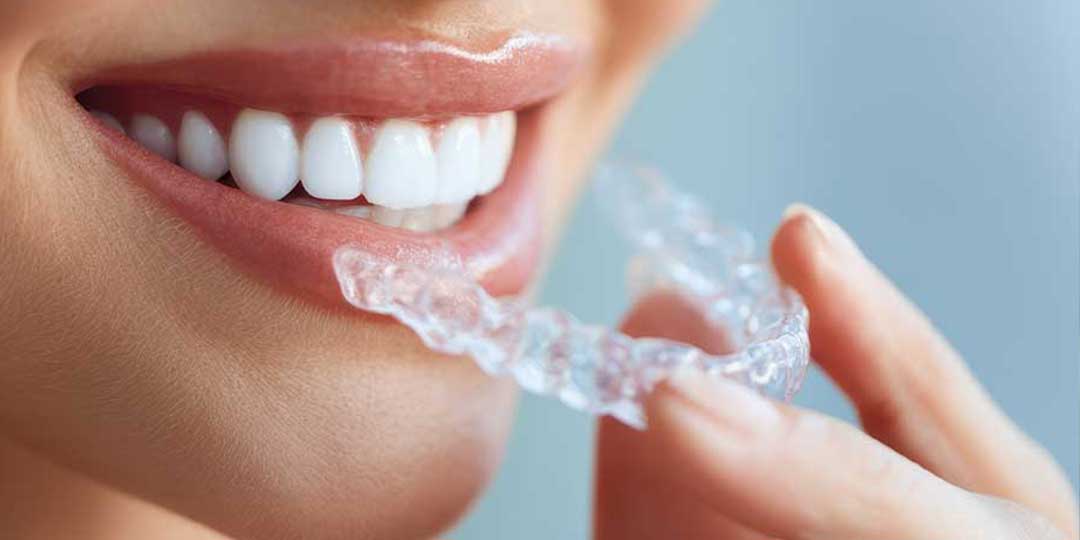
• Braces or clear aligners – To gradually move the teeth into the correct position
• Habit correction appliances – Devices that help stop tongue thrusting or thumb sucking
• Jaw surgery – For severe cases where the jaw bones need to be repositioned
• Tooth removal – Occasionally needed to create space for proper tooth alignment
Your dentist or orthodontist will recommend the best option based on your specific situation.
Yes, if left untreated, an open bite can cause problems over time. These may include difficulty chewing food properly, speech difficulties, increased wear on the back teeth, jaw pain, and lower self-confidence due to the appearance of the smile. Getting treatment early can help prevent these issues from getting worse.
Common signs of an open bite include:
• A visible gap between your upper and lower teeth when your mouth is closed
• Difficulty biting into or chewing certain foods
• Speech issues, such as a lisp
• Trouble fully closing your lips
A dentist or orthodontist can confirm an open bite through a physical examination and dental X-rays.
An open bite can develop due to several reasons, including:
• Long-term thumb sucking or pacifier use in childhood
• Tongue thrusting (pushing the tongue against the teeth while swallowing or speaking)
• Genetics or natural jaw development
• Prolonged bottle feeding
• Temporomandibular joint (jaw joint) problems
An open bite is a dental condition where the upper and lower front teeth do not touch or overlap when the mouth is closed. This means there is a visible gap between the top and bottom teeth even when the jaw is fully shut.