
© 2026 | Dr. Arvind J. Petrie

- +1 (253) 761-5422
- 1550 S Union Ave #150
- Tacoma, WA 98405

© 2026 Dr. Arvind J. Petrie
All rights reserved.


Frequently Asked Questions About Deep Bites
A deep bite, also called an overbite, is a dental condition where the upper front teeth overlap too far down over the lower front teeth when you close your mouth. In a normal bite, the upper teeth should only slightly cover the lower teeth. When this overlap is excessive, it is considered a deep bite.
Some common signs of a deep bite include:
• Your upper front teeth cover most or all of your lower front teeth when biting down
• You notice wear or damage on your lower front teeth
• You experience jaw pain or discomfort
• Your lower teeth bite into the roof of your mouth
However, the most reliable way to confirm a deep bite is through a dental examination and X-rays performed by a dentist or orthodontist.
Yes, if left untreated, a deep bite can lead to several problems, including:
• Excessive wear on teeth
• Damage to the gums or roof of the mouth
• Jaw pain or discomfort (TMJ issues)
• Difficulty chewing properly
• Changes in facial appearance over time
Early treatment can help prevent these complications.
A deep bite can result from several factors, including:
• Genetics or inherited jaw structure
• Childhood habits such as thumb sucking or prolonged pacifier use
• Missing lower back teeth, which causes the bite to collapse
• Overdevelopment of the jaw muscles
• Teeth grinding over time
Treatment depends on the severity of the deep bite and the age of the patient. Common options include:
• Braces – Traditional metal or ceramic braces to gradually move the teeth into the correct position
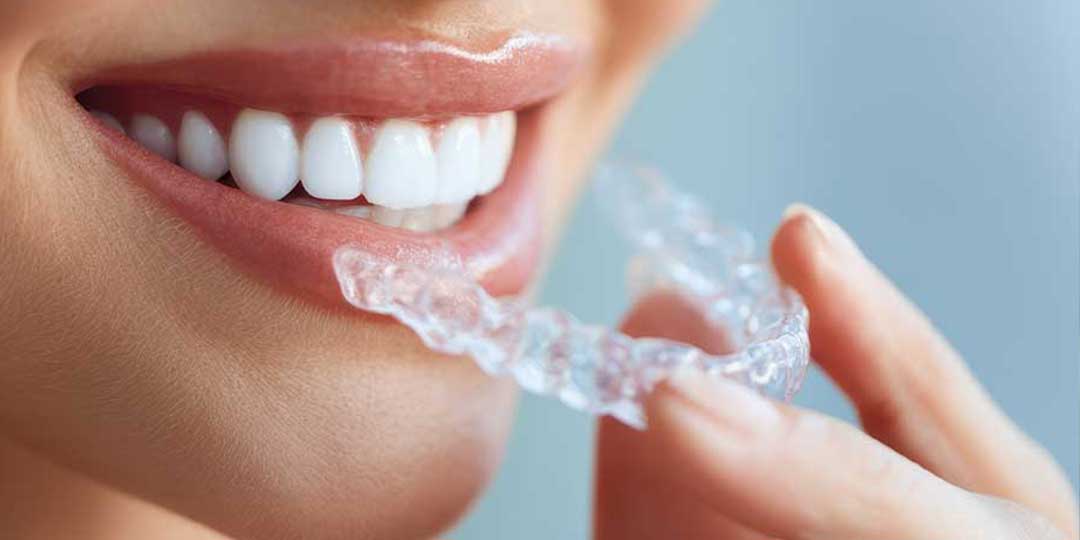
• Clear aligners – Removable, transparent trays that gradually correct the bite
• Dental appliances – Devices like bite plates or splints that help reposition the jaw
• Tooth restoration – In some cases, crowns or other restorations help rebuild the bite
• Surgery – For severe cases, jaw surgery may be recommended
Your dentist or orthodontist will recommend the most suitable option after a thorough evaluation.
A deep bite can be treated at any age, but early treatment during childhood or teenage years is often more effective because the jaw is still growing and easier to guide. That said, adults can also successfully correct a deep bite with appropriate treatment. It is best to consult a dentist or orthodontist as soon as a deep bite is noticed.
The length of treatment varies depending on the severity of the condition and the type of treatment used. On average:
• Mild to moderate cases may take 12 to 24 months
• More complex or severe cases can take longer
Your orthodontist will give you a more accurate timeline after assessing your specific situation.
Most patients experience some mild discomfort, particularly in the first few days after getting braces or a new set of aligners. This is normal and typically fades quickly. The treatment itself is not painful. Over-the-counter pain relievers and soft foods can help manage any temporary soreness.
There is a chance the deep bite could return if proper steps are not taken after treatment. To help maintain the results:
• Wearing a retainer as directed by your orthodontist is very important
• Regular dental check-ups help monitor your bite over time
• Addressing any teeth grinding habits can also prevent relapse
Following your orthodontist's aftercare instructions greatly reduces the risk of the bite shifting back.
The cost of treatment depends on several factors, including the type of treatment chosen, the severity of the condition, and the dental practice you visit. Generally:
• Braces can range from a few hundred to several thousand dollars
• Clear aligners are often in a similar price range
• Surgical options tend to cost more
Many dental insurance plans cover a portion of orthodontic treatment. We recommend scheduling a consultation to get a clear cost estimate based on your specific needs.